
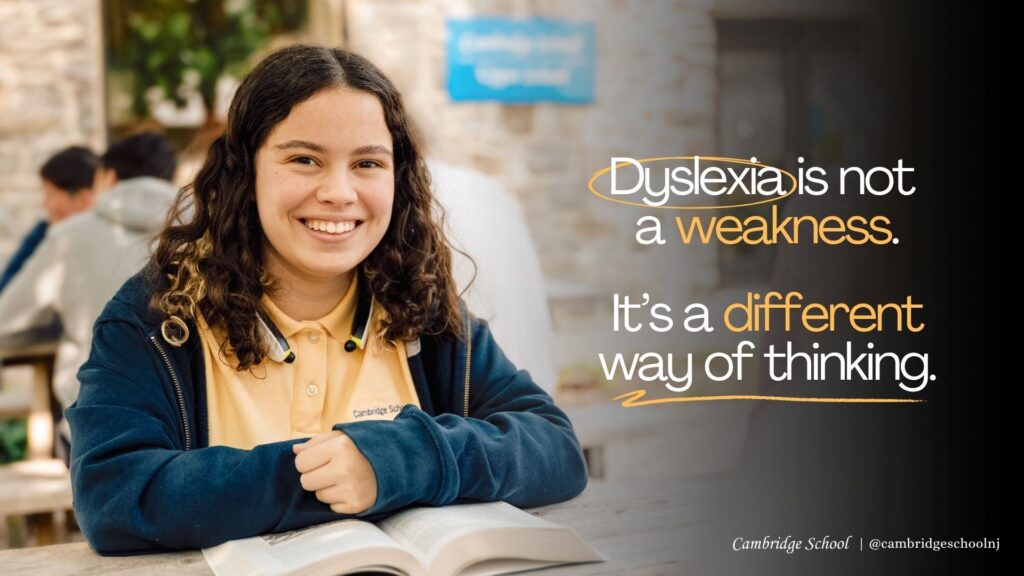
Celebrating the Power of Different Minds: The Strengths of Dyslexia
When we talk about dyslexia, the conversation often centers on what a child struggles to do—reading, spelling, or decoding text. But dyslexia is not a weakness; it is a different, often extraordinary way of thinking.
This October, in honor of Dyslexia Awareness Month, we want to shift our focus to where it truly belongs: on the incredible cognitive advantages that come with learning differently. Dyslexia does not define a student’s potential. It is simply one part of how they experience, interact with, and ultimately shape the world.
The Unique Strengths of a Dyslexic Mind
Dyslexic individuals naturally process information differently, which frequently gives them an edge in areas that traditional schooling might overlook. When provided with the right environment, dyslexic students routinely demonstrate remarkable abilities:
How to Empower Your Child at Home
Students can easily feel overwhelmed when facing tasks that don’t come naturally to them. With the right tools and mindset, you can help your child discover their own unique superpowers. Here are a few ways to foster confidence at home:
Unlocking Potential at Cambridge School
Every child deserves an education that recognizes their intellect before their diagnosis. At Cambridge School, we were founded on the belief that a warm, nurturing, and individualized environment is essential for children who learn differently. We don’t just accommodate dyslexia; we build upon the inherent strengths of our students, giving them the academic, personal, and social skills required to thrive.
Dyslexia does not have to hold your child back. With the right community and support, it can be the launchpad for their greatest successes.